
Liquor store marketing
How to market a liquor store on Instagram
Set your Instagram account to adults only, then post two or three times a week: new arrivals, staff picks, gift sets, tastings and your holiday hours. Keep the bottle the hero, with no people drinking and no health claims. Check your state or provincial liquor rules before you post prices, giveaways or events.
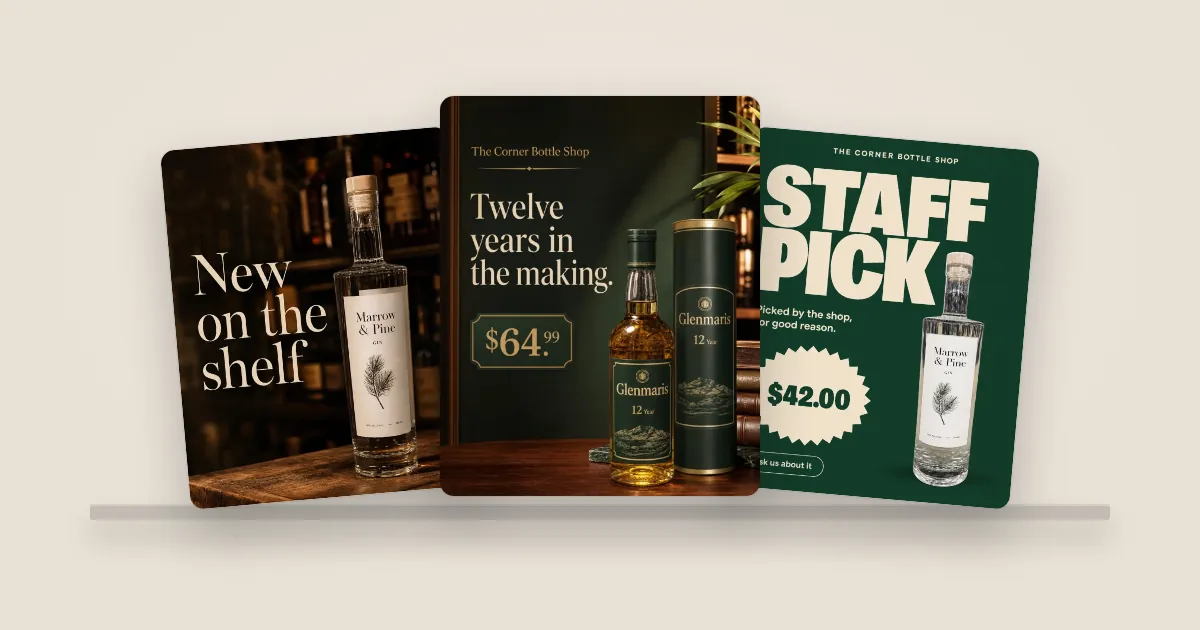 Example posts
Most liquor store marketing guides were written by software companies years ago, and they skip the part owners worry about most: the rules. This guide covers both. First, what Instagram and the law expect from a shop that sells alcohol. Then what to post, how often, and how to keep it going in a busy week. It’s written for independent liquor, wine and beer stores in the US and Canada.
This isn’t legal advice. Alcohol advertising rules are set by each US state and Canadian province, and they change. Where something matters, we say “check your local rules”, and we mean it.
Why Instagram works for a liquor store
People don’t need a reason to buy a bottle. They need a reason to buy it from you. A chain store can’t tell them that a new small-batch rye just arrived, that your staff love it, or that you’ll be open late before Thanksgiving. You can, and Instagram is where locals look.
Instagram is also visual, and a well-lit bottle is one of the best-looking products in retail. One good photo of a bottle, posted the day it lands, does more than a flyer.
Step 1: Set your account up for alcohol
Do these once. They protect your account and show you take it seriously.
Use a professional account. A Business account gets you Insights, contact buttons, scheduling tools and the age setting below. Our guide to connecting Instagram walks through switching.
Set a minimum age. In Instagram, go to Settings → Business tools and controls → Minimum age. You can set one default age, or a different age for each country. People under that age won’t see your account or posts. Use:
| Where your customers are | Minimum age |
|---|---|
| United States | 21 |
| Alberta, Manitoba, Quebec | 18 |
| All other Canadian provinces and territories | 19 |
If you sell on both sides of the border, set a default and add the country-specific ages. The setting is described in Instagram’s help article on setting a minimum age.
Fill in your profile. Your address, hours, phone and a short bio that says what you sell. Add “You must be of legal drinking age to follow” if you like; it costs nothing and sets the tone.
Step 2: Know the rules on content
These are the lines that keep you out of trouble with both Meta and regulators.
Meta’s rules. Meta lets real businesses promote alcohol, but expects those posts to reach adults only. Its ad policy requires age and country targeting (21 and up in the US) and following local law. You can’t sell alcohol through Instagram Shopping or checkout. Read the current versions: Meta’s alcohol ad policy and its restricted goods rules.
What to leave out of every post:
- People drinking. Keep the bottle the hero. Leave out raised glasses, party scenes and anyone who could look under the legal age.
- Health or mood claims. No “good for your heart”, “helps you relax” or “the cure for Monday”.
- Encouraging excess. No “bottomless”, “drink up” or challenges. One drink in a recipe, not a round.
- Anything that appeals to kids or teens. No cartoon characters, candy-style styling or youth slang.
- Driving, boating or work. Never pair alcohol with any of them, in the picture or the caption.
Local rules to check before you post:
- Price ads and discounts. Some states and provinces limit how you advertise prices, “happy hour” style deals or discounts on alcohol.
- Giveaways and contests. Many places restrict alcohol as a prize.
- Tastings and events. Free samples, tasting sizes and who may pour are often regulated.
- Brand names and co-op posts. Rules on supplier-paid promotion differ by place.
Your state alcohol board (US) or provincial liquor regulator (Canada) publishes its advertising rules. One phone call before your first offer post is time well spent.
For liquor stores, ShelfSocial adds the caption line "Please enjoy responsibly." by default, and you can switch it off. It doesn't make people-drinking scenes, and it doesn't write age or health claims. You still set the minimum age in Instagram and check each post before it goes out.
Step 3: Decide what to post
A liquor store can run on five kinds of post. Rotate them and you’ll never run dry.
New arrivals
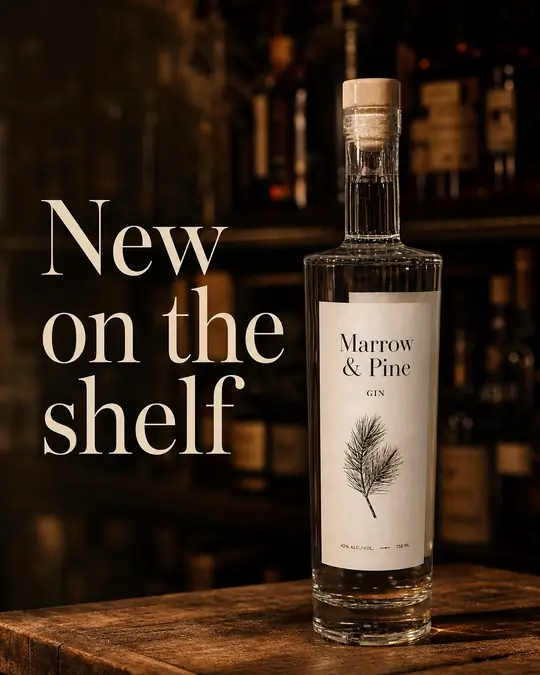
The easiest post. A bottle came in; show it the same day. Name the producer and give one line on what it’s like. If you get small allocations, say how many you have. That’s a reason to come in now.
Staff picks
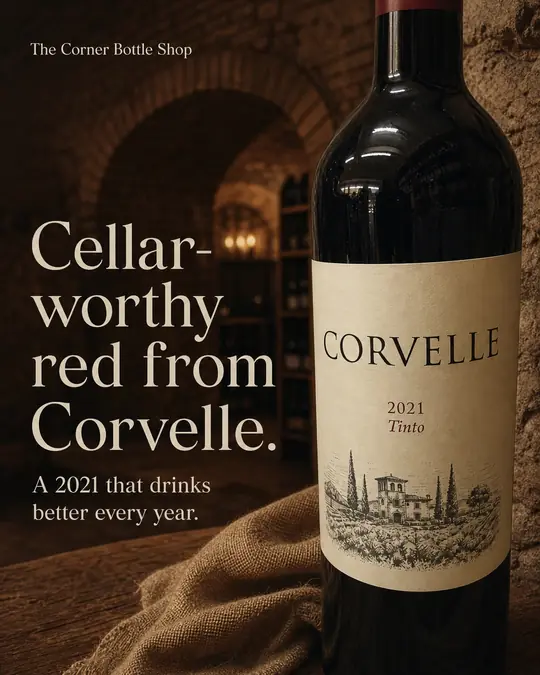
Your staff are your advantage over a chain. A weekly staff pick, with the person’s name and their reason in their own words, builds trust faster than any discount. “The one I bring to my dad’s” sells better than tasting notes.
Gift sets and gift ideas
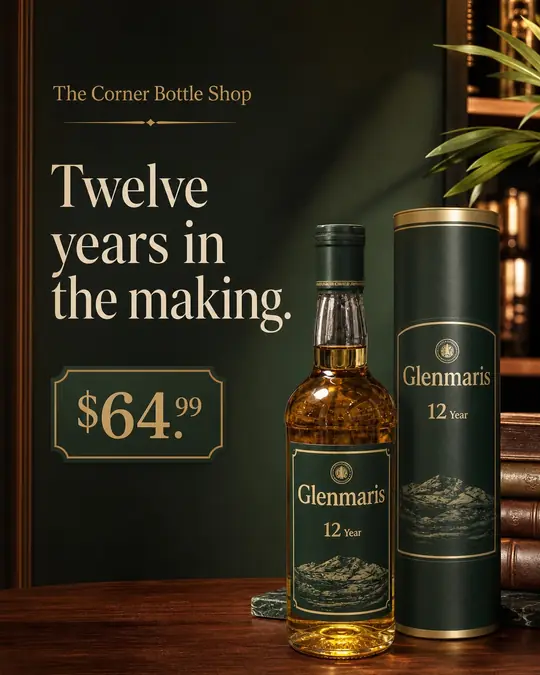
Bottles are a top gift in December and before Father’s Day, and a common host gift all year. Post gift sets with the price on the tag, and “gifts under $30” posts with three bottles at three prices.
Tastings and events
If your license allows tastings, they’re the best community post you have: what you’re pouring, the date and time, and a note that it’s for adults of legal age. A maker visit or a seasonal launch works the same way. Check local rules on sample sizes first.
Hours and practical posts
Holiday hours, long weekends, “we check ID”, delivery or phone orders if your license allows them. These aren’t exciting, but customers remember the shop that told them it was closing early on Christmas Eve.
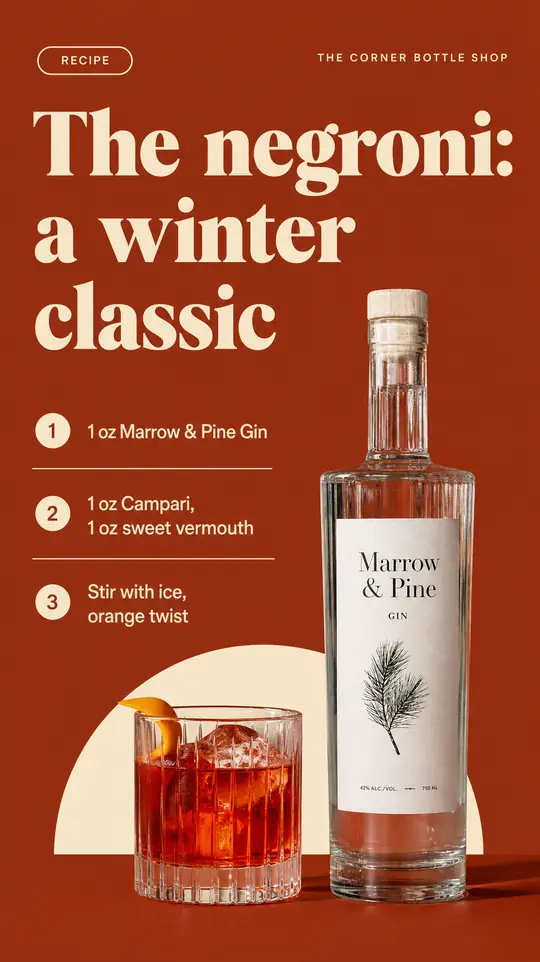
For 40 more, see Instagram post ideas for liquor stores. For ideas that work in any shop, there are 52 post ideas for small businesses.
Step 4: Post often enough, not too often
Two or three feed posts a week is enough for most shops. Add a Story when something comes in, a tasting starts or your hours change. A rhythm that works:
- Tuesday: new arrival.
- Thursday: staff pick or a tip.
- Friday: weekend pick or gift set.
- Stories: whenever there’s news.
Post at the times your followers are online. After a few weeks, Instagram’s Insights shows when that is. Steady matters more than volume: a shop that posts three times a week for a year beats one that posts daily for a month and then stops.
Step 5: Plan around the calendar
The liquor year has clear peaks. Plan three posts for each: the idea two weeks ahead, your hours a week ahead, a Story the day before.
- November: US Thanksgiving (wine for the table), Black Friday and Small Business Saturday.
- December: your biggest month. Gift sets weekly, hours for every closure, New Year’s Eve sparkling with a plan-your-ride reminder.
- January: Dry January is a chance to show your zero-proof shelf.
- February: the big game, Valentine’s Day.
- March: St Patrick’s Day, styled in green, without drinking scenes.
- May: Cinco de Mayo (US), Victoria Day and Memorial Day weekends.
- June: Father’s Day: whisky and craft beer gifts.
- July: Canada Day and the Fourth of July.
- October: Canadian Thanksgiving and Halloween.
Every date for the next twelve months is in the holiday Instagram calendar for the US and Canada.
Step 6: Make the photos good, fast
You don’t need a studio. You need a clean bottle, steady hands and light from a window. Wipe the label, shoot at the bottle’s height, fill the frame and keep one product per photo. Our guide to product photos on your phone has the five rules.
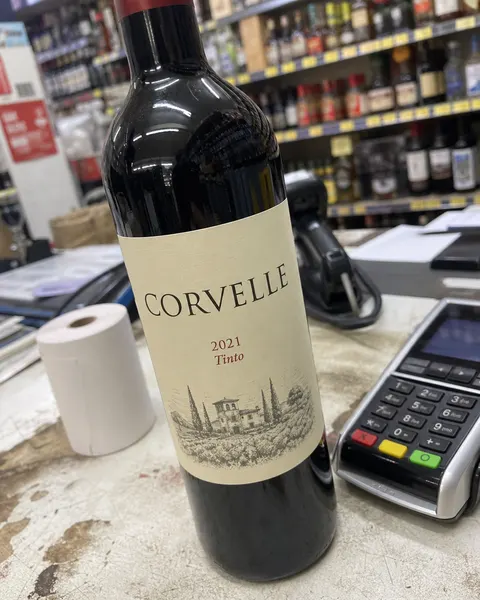 Phone photo
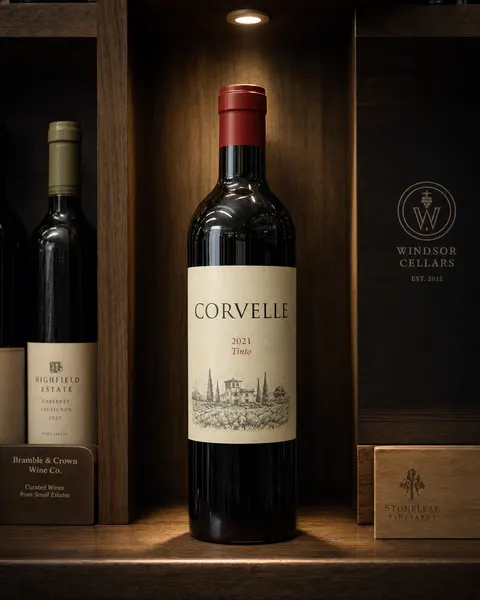 Ready to post
Step 7: Write captions people read
- Lead with the news. “Just in”, “Back in stock”, “Open till 9 on Christmas Eve”.
- One line on why. What it tastes like, who it’s for, what to pair it with.
- Tell them what to do. “Ask us at the counter”, “On the front shelf”, “Order by Friday”.
- Keep the responsible line. “Please enjoy responsibly.” at the end.
- Use three to five hashtags. Instagram now caps posts at five. Use one for the bottle (#Bourbon), one for your town (#HamiltonOnt) and your shop’s name.
Step 8: Measure what matters
Likes are nice. What matters is people coming in. Ask at the till: “Did you see this on Instagram?” Watch which posts bring questions and DMs, and which bottles sell after you post them. In Insights, look at saves, shares and profile visits. A post that gets saved is one people plan to act on.
Make it a habit with ShelfSocial
Posting three times a week is easy to plan and hard to keep up. ShelfSocial is built for exactly this:
- Snap the bottle at the counter.
- Pick a look made for liquor stores. The label is kept as photographed.
- Get a post and a Story with a caption, hashtags and “Please enjoy responsibly.” on by default.
- Post now or schedule it, or plan a whole campaign of posts in one sitting.
- Confirm your holiday hours once, and the hours posts are drafted for you.
See the looks and post ideas on the liquor store page, or check pricing and start a 3-day free trial.
See it for your kind of shop
Questions
Is it allowed to promote alcohol on Instagram?
Yes, for a real, licensed shop, within limits. Meta lets businesses post about alcohol, but it expects those posts to reach adults only, and its ad rules require age and location targeting. You also have to follow the alcohol advertising rules where you operate. This guide is not legal advice; check your own state or provincial rules.
How do I age-restrict my liquor store's Instagram account?
Switch to a professional (Business) account if you haven't. Then go to Settings, Business tools and controls, Minimum age. Set a default age, or set a different age per country. For a US store, use 21. For a Canadian store, use the drinking age in your province: 18 in Alberta, Manitoba and Quebec, 19 everywhere else.
Can I sell bottles through Instagram Shopping?
No. Meta's commerce rules don't allow alcohol in Instagram Shopping or checkout. Post the bottle, then tell people to visit the shop, call or order on your own website if your license allows it.
How often should a liquor store post on Instagram?
Two or three feed posts a week, plus a Story when something comes in or your hours change. Steady and regular beats a burst followed by silence.
Can I run a giveaway with a bottle as the prize?
Be careful. Many US states and Canadian provinces restrict alcohol giveaways, contests and free samples, and Instagram has its own promotion rules. Check with your liquor board first. A giveaway of a non-alcohol prize, like a gift card or a branded glass, is usually simpler.