One photo.
Any light.
You do not need a lightbox, a backdrop or a better phone. You need the bottle standing up, one direction of light, and a crop. This is how to take the photograph, and what has to happen to it before it is a post.
The photo you
can take today.
Four situations that cover almost everything a shop photographs, and one rule each. Every picture below is a real phone snapshot taken in a shop, not a set-up.
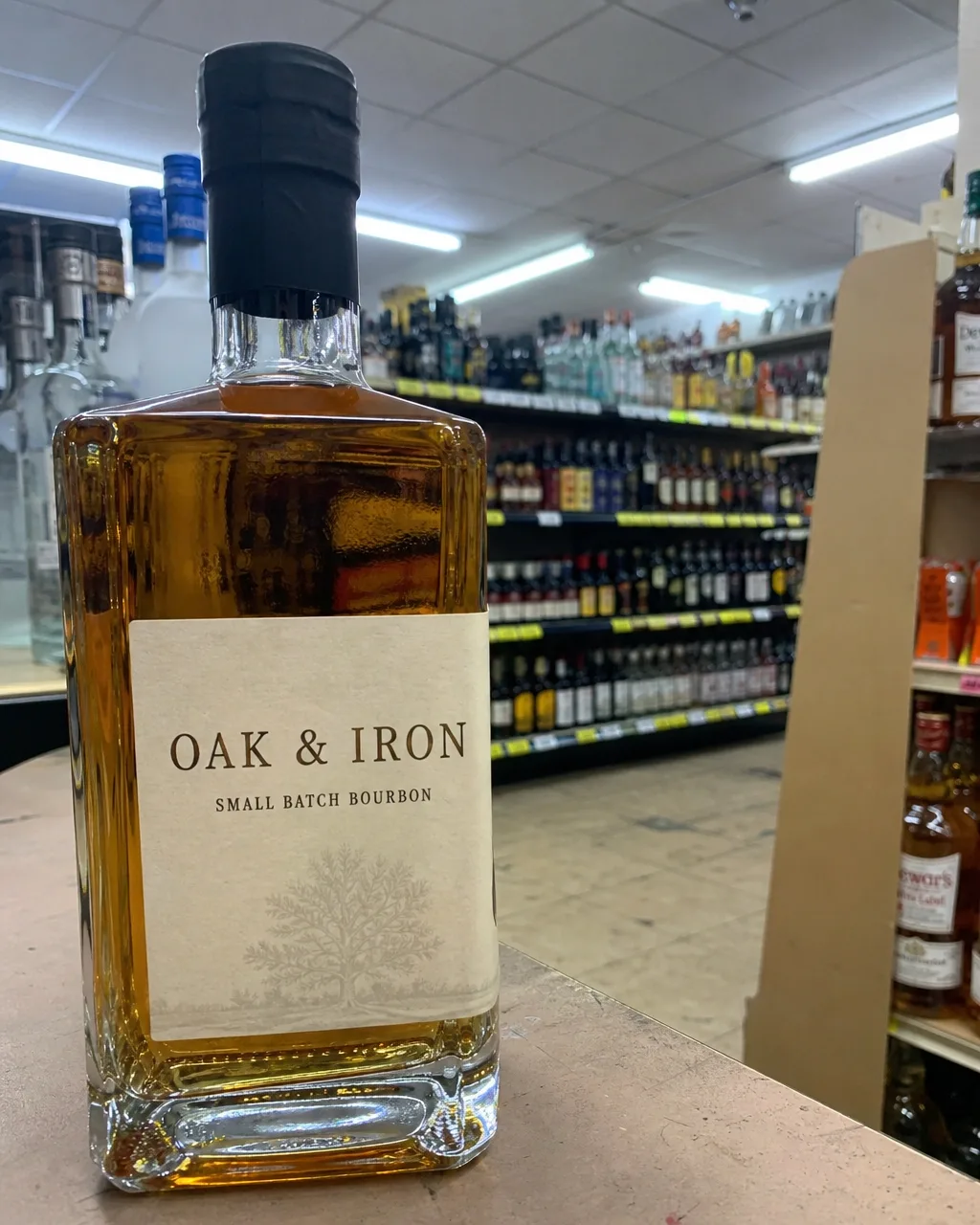
On a flat surface
The counter, a shelf, anywhere the bottle stands up on its own. Shoot from very slightly above the label, not straight down — a bottle photographed from above stops looking like a bottle. Leave a hand's width of space above the cap.
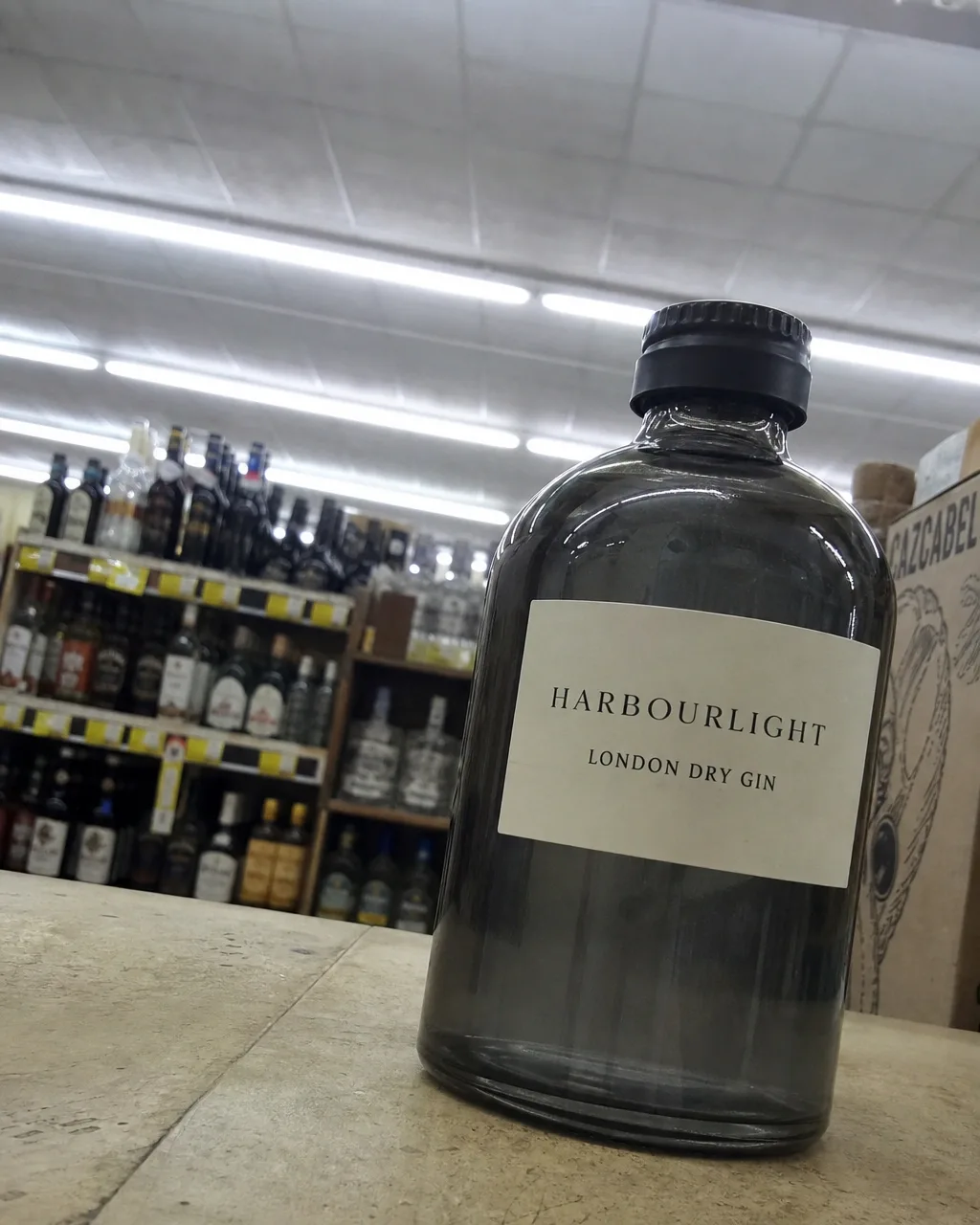
In your hand
Holding it is fine, and the hand is not a mistake — it gives the bottle a size. Keep your fingers off the label and your thumb out of the front. One hand on the bottle, the other on the phone, elbows in.
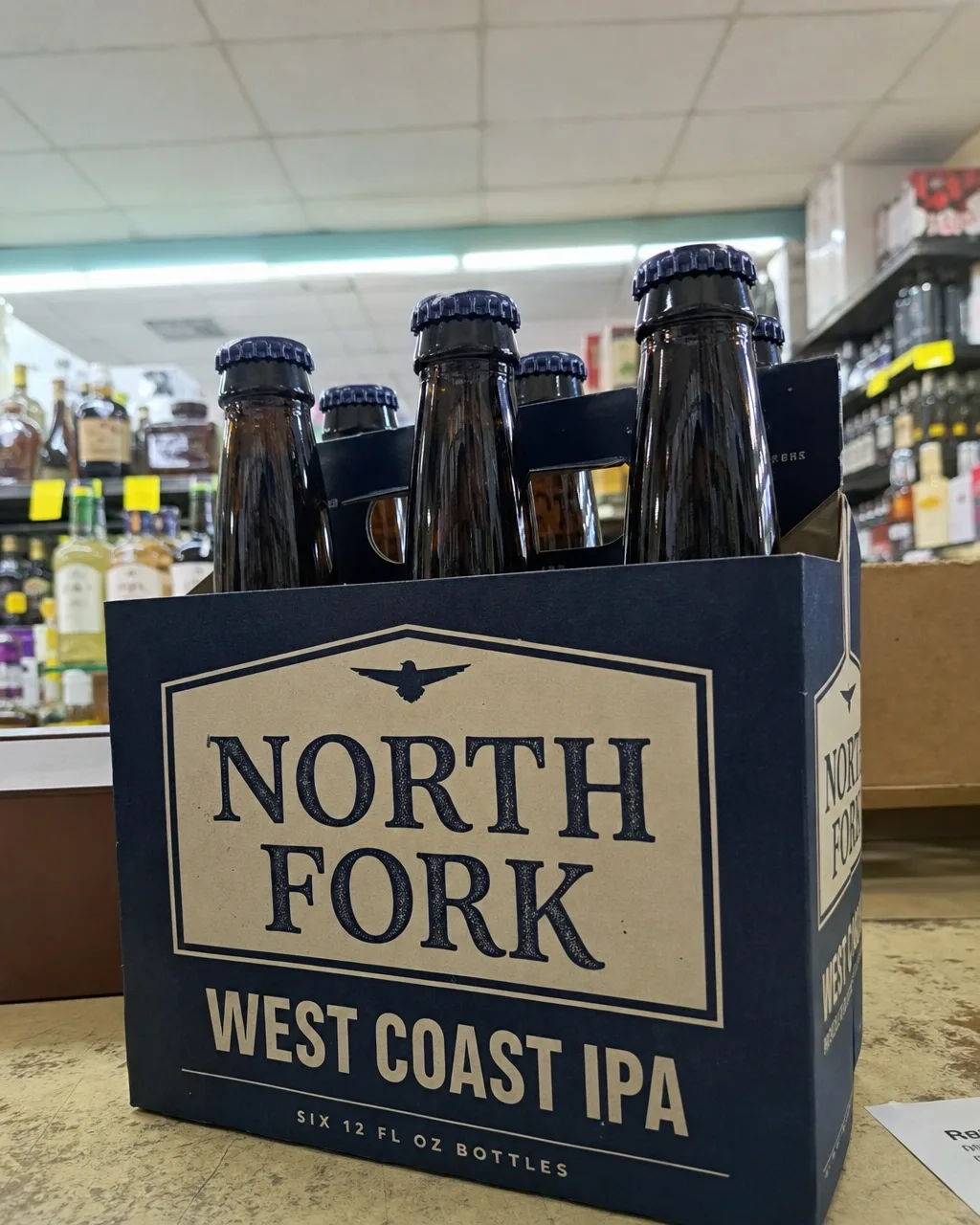
A pack, not a bottle
Packs photograph better at a corner than face-on — turn it about thirty degrees so you see two faces and it reads as an object rather than a picture of cardboard. Get the whole pack in, including the bottom edge.
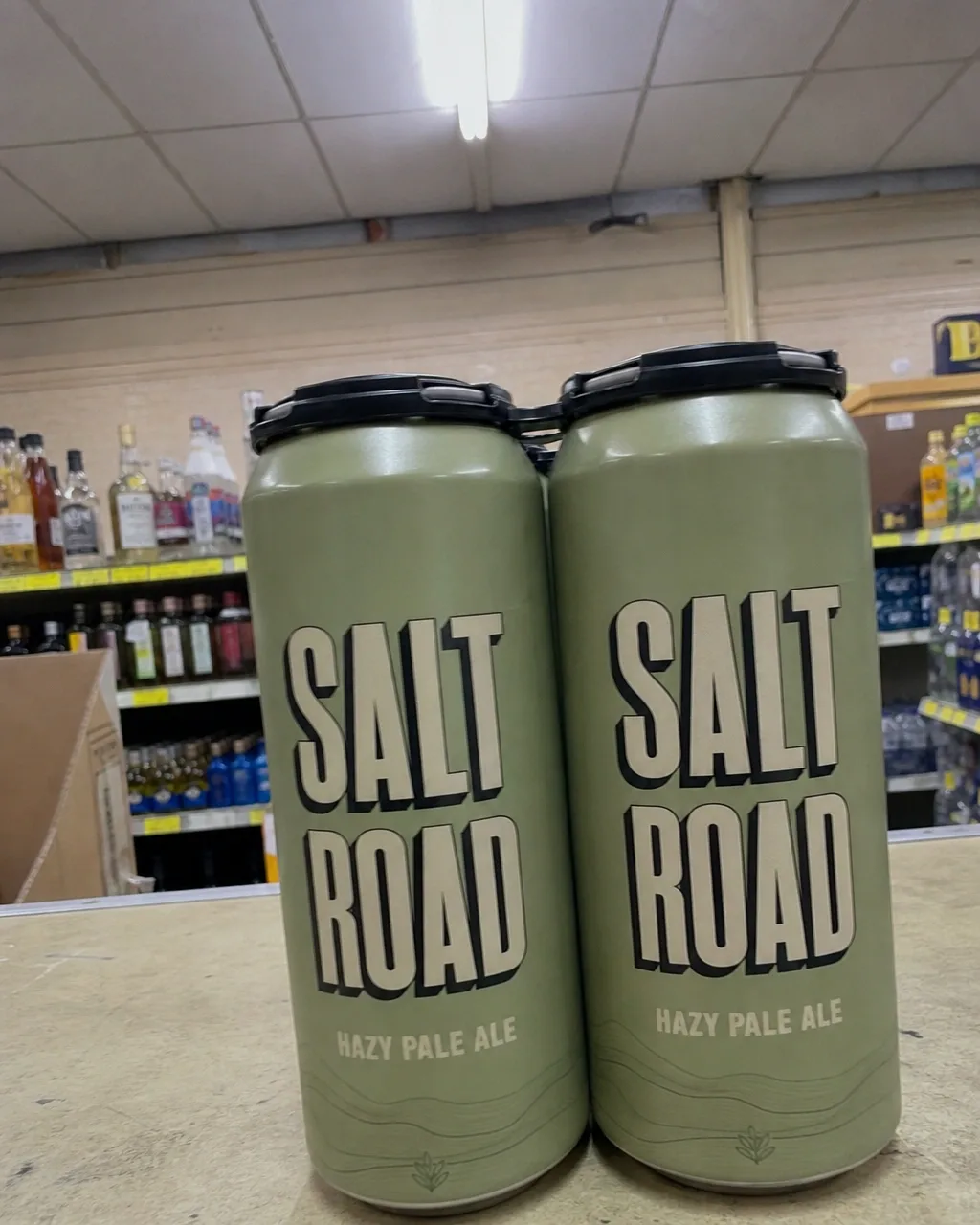
Cans, in the cold case
Open the door and let it clear for a few seconds first — the condensation that looks good in person photographs as grey haze. Shoot the row straight on. A hand reaching in is worth more than a tidy shelf.
What the post needs
that the photo doesn’t.
Six decisions sit between a photograph and something worth putting on an account. None of them is about the camera.
- 01
A backdrop that is not your shop
The aisle behind the bottle is the single biggest difference between a snapshot and a post. It does not need to be white — warm bone, a shadowed wall, anything without a competitor's carton in it.
- 02
A 4:5 crop
The tallest frame the feed will not cut. Photograph wider than you need and crop into it; a bottle shot at 4:5 in the first place leaves you nothing to correct with.
- 03
Light coming from one direction
A bottle is a cylinder of glass, and it only reads as one if there is a bright side and a dark side. Two lights of equal strength flatten it. One window is better than four tubes.
- 04
A caption made of facts
What it is, what it costs, where it is in the shop, since when. Four facts is a full caption. The five things a caption must never invent are set out on the captions page.
- 05
Six hashtags
Two for the category, two for the town, two for the shop. Thirty tags on a neighbourhood shop's post is a signal that nobody is reading it.
- 06
A time
A post with no scheduled time is a post that goes out when you remember, which is not a time. Pick one evening slot and keep it.
What changes,
and what doesn’t.
This is the part worth being exact about, because it is the part people are right to be suspicious of.
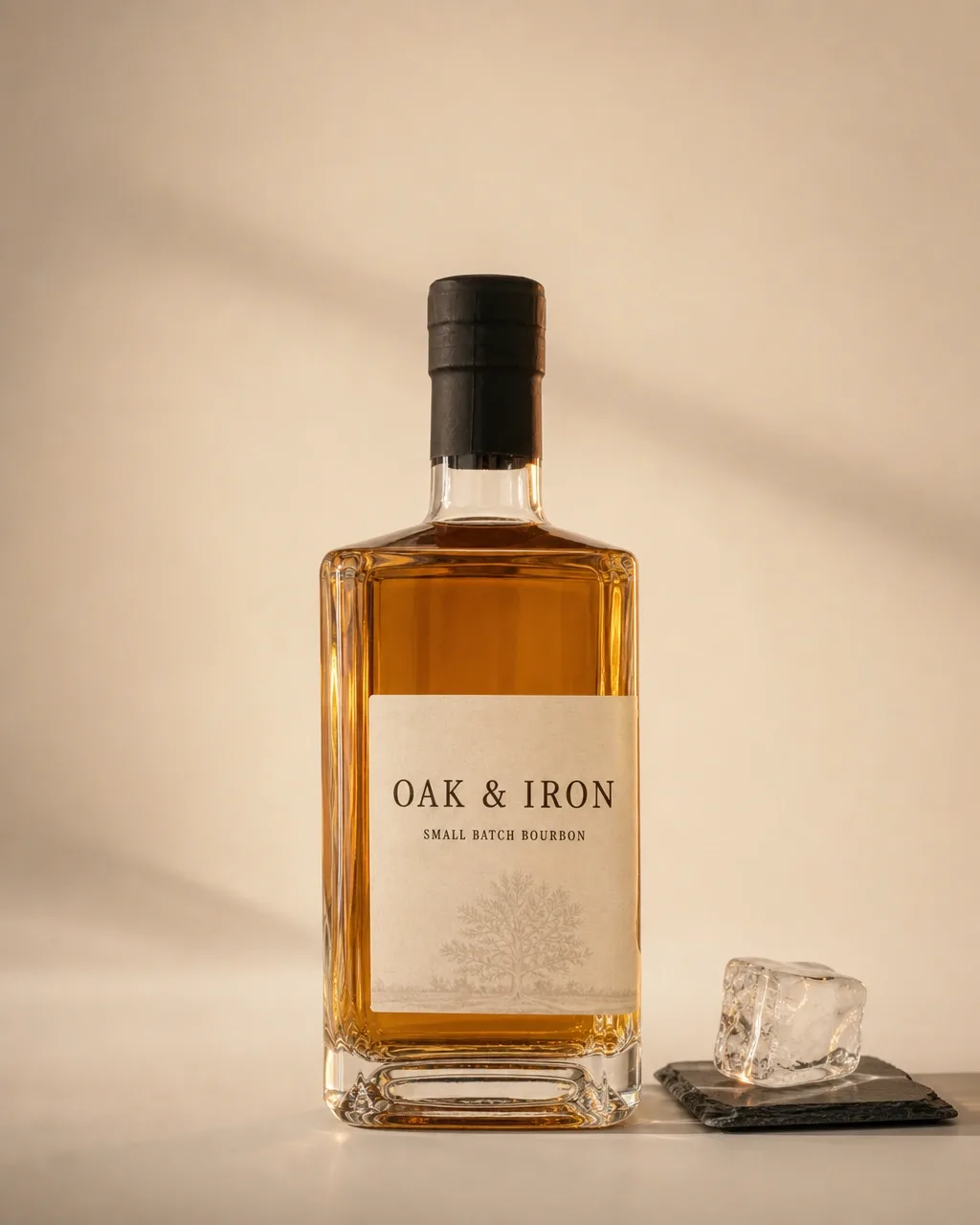 After
AfterThe background changes. The light changes. The crop changes. The label does not.
That distinction is the whole of it. A bottle photographed on a shop counter and a bottle on a warm bone backdrop are the same bottle, and moving it is a lighting decision, not a claim about the product. The moment the writing on the front starts drifting — a serif that was not there, a word gone soft, a crest that is nearly the crest — the picture has stopped being a photograph of your stock.
So the wording is read off your photograph when you upload it, and the finished picture is checked back against it word for word. A picture whose label does not match is caught before you ever see it. It is the only check in the system that cannot be skipped, and it is there because it is the only one where being wrong costs you a customer rather than a post.
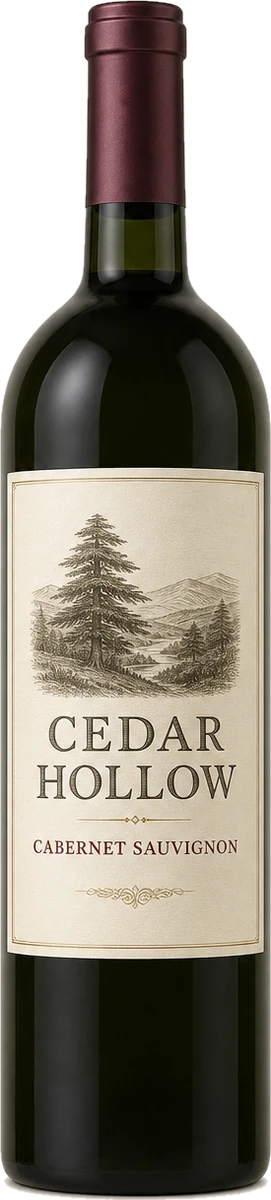
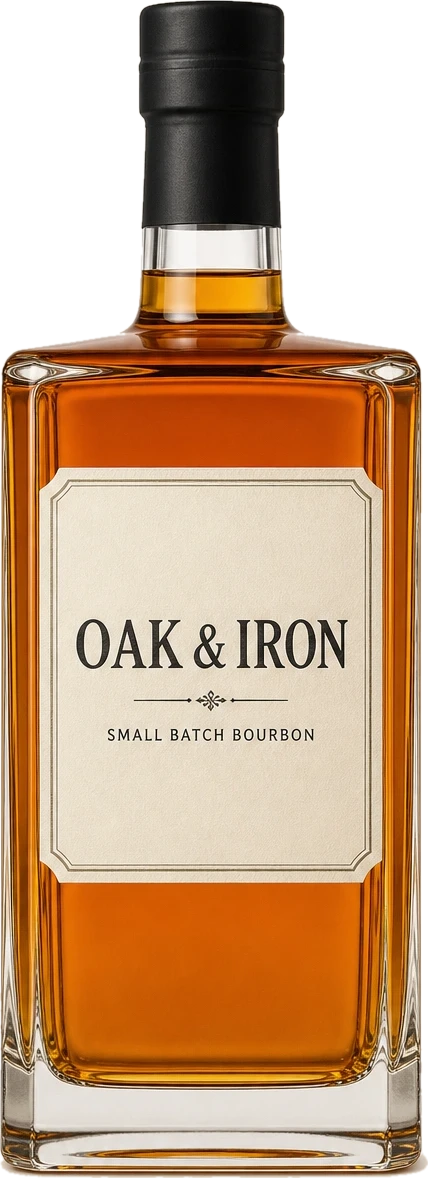
Everything on this site marked “after” was made this way, from the same pixels as the “before” beside it. There is no stock photography in the pairs.
Eight ways to shoot
one bottle.
One bottle is not one post. The same bottle carries a new arrival, a staff pick, a pairing, a weekend pick and four more — which is how a shop with forty minutes a week fills a month.
That is worked through properly on the main guide, with the eight frames side by side and the day each one belongs on. Read one bottle, eight posts on the Instagram marketing guide — all eight are the same photograph, reworked.
Three mistakes.
All three come from guides written for product photographers rather than for shops, and all three cost money to make things worse.
The lightbox nobody owns
Every guide opens by telling you to buy a tent, a backdrop roll and two lamps. It works, and it will sit in the stockroom after the third week. A photo you actually take beats a setup you actually own.
The best camera is the one behind the tillThe white sheet
A sheet or a sheet of paper behind the bottle reads as a bedsheet, because it creases and it is never quite white. If you want a clean ground, a shadowed wall gives you a better one for nothing.
Creases photograph darker than they lookThe ring light
It puts a doughnut in the middle of every glass bottle. Ring lights are made for faces. If you are lighting a bottle at all, one light from the side and slightly behind does more than anything you can buy for the front.
Fluorescent overheads are fine — really
If you would rather not do the backdrop and the crop yourself, that is what ShelfSocial does with the photograph you just took — and it writes the caption from four facts, never from what the bottle is usually said to taste like.
Read next.
Liquor store Instagram marketing
The whole system: what to post, how often, and how to turn a shelf you already own into a month of content.
Social media calendar
What should decide the week: the forecast, thirty-nine dates worth planning for, what is on nearby, and the shop's own silence.
Instagram post ideas
Ideas built from what is already in the shop — new arrivals, the shelf itself, the weekend, and one bottle stretched across seven days.
Alcohol social media rules
What Meta's policies actually require, what age-gating is and is not, and the checklist to run before you publish.
Your shelf is
already stocked.
14 days free, 40 credits, nothing to install. Photograph the bottle nearest the till and see what comes back.
$49 a month, one plan · 14 days free first, a card when you make your first post and nothing taken until day 14 · one Instagram account per store