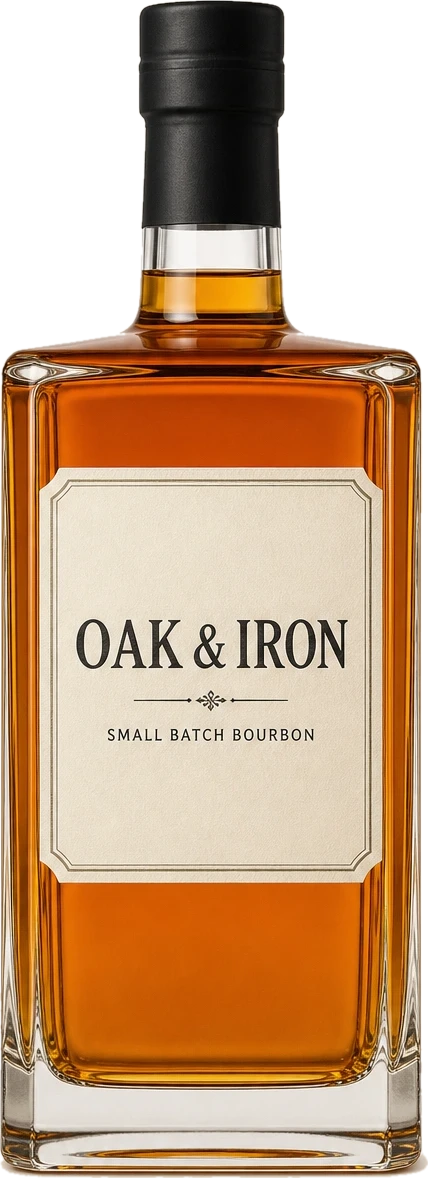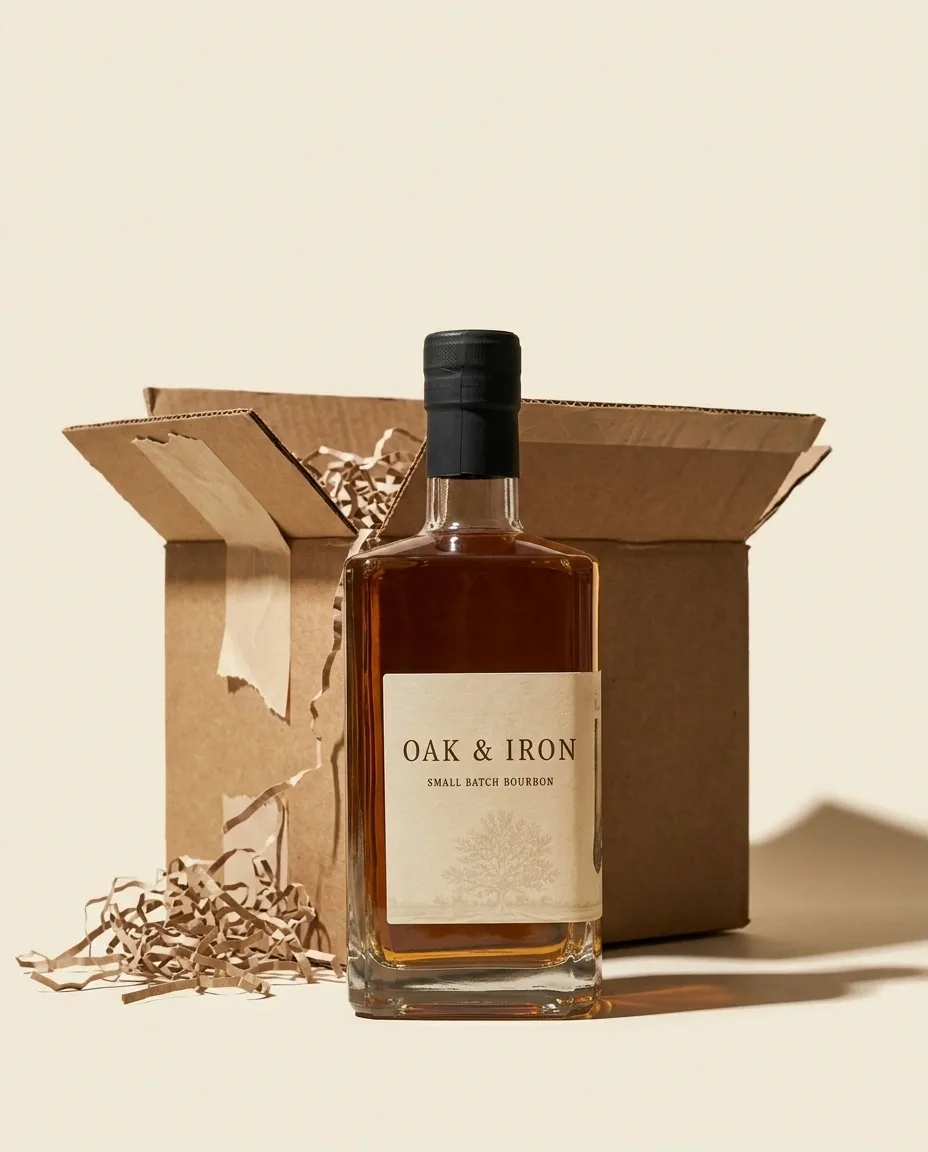
oakandironliquor Out of the box this morning. Small batch, and there were only six of them on the truck.
Most liquor stores do not have a content problem. New arrivals, staff picks, weekend recommendations, things nobody has noticed on the bottom shelf — the raw material is already in the building. What is missing is a way to turn it into posts week after week without one more full-time job.
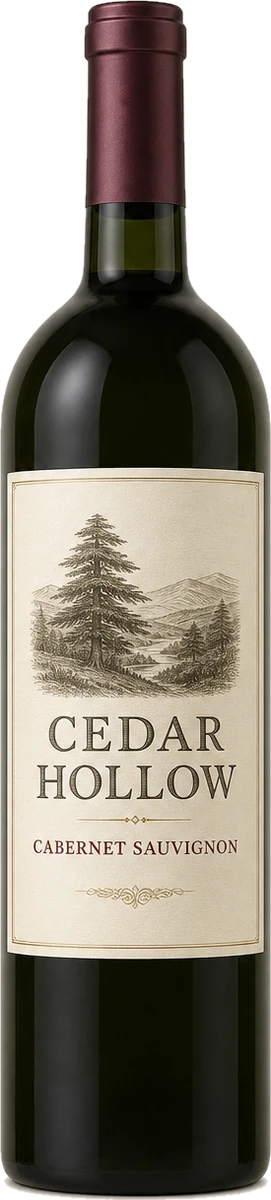
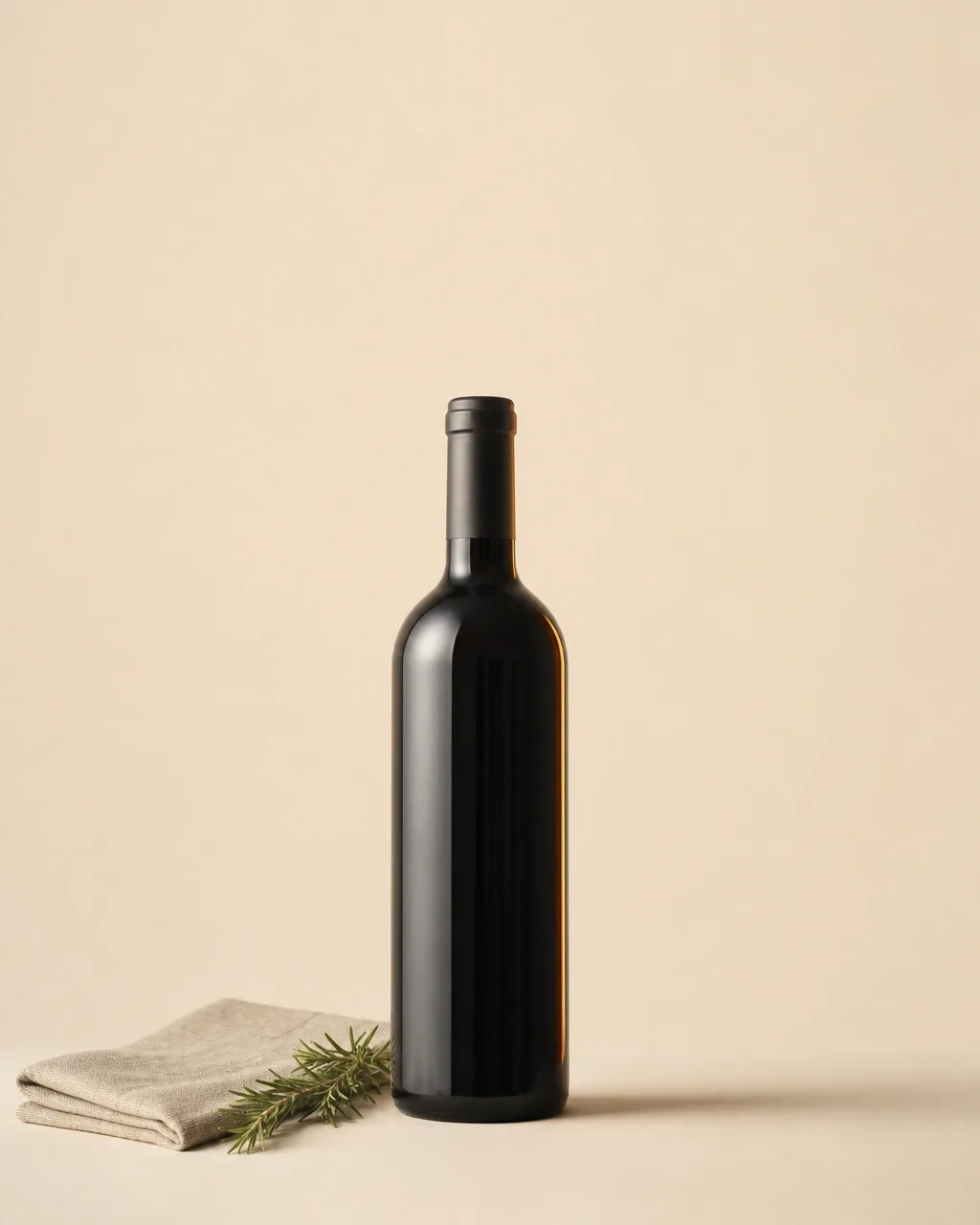
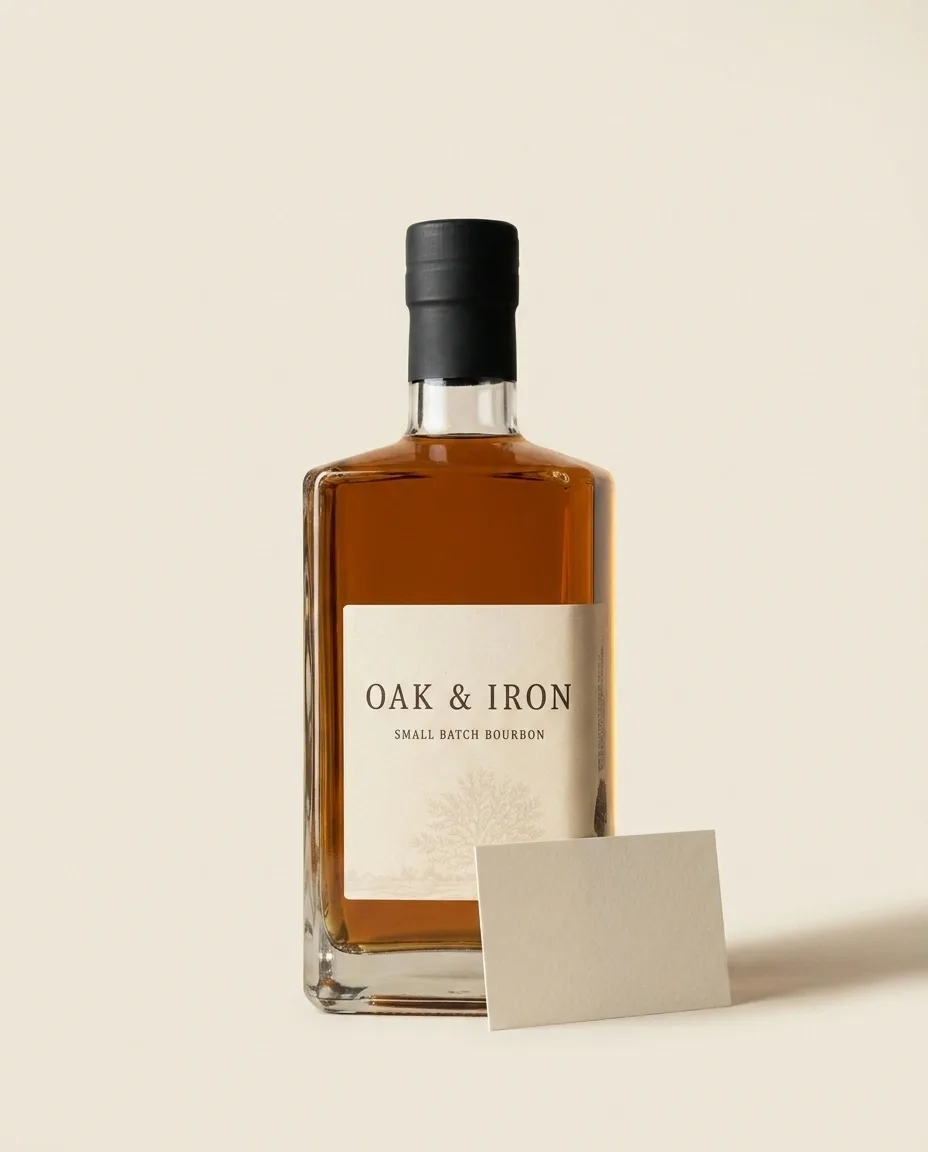
The bottle on the left is a phone photograph taken in an aisle. The one on the right is the same photograph, half an hour later.
Nothing was restocked, restyled or reshot. This page is about the gap between those two pictures, and about doing it every week without it becoming a job.
 Phone photoShelfSocial
Not seven ideas — seven categories of reason. Ideas run out in a fortnight. Reasons keep producing, because the shop keeps producing: something arrives, something is overlooked, somebody asks a question, it becomes Friday.
The bottle that landed on Tuesday. The only content that is genuinely new every week, and the one people follow a shop for.
One thing to buy before Friday. It gives somebody scrolling on a Thursday a reason to walk in on a Saturday.
What the person behind the counter drinks. The only content here a national brand cannot make, and it reads as a person rather than a shop.
What single malt means. Why rye tastes like that. Short, specific, and the reason somebody trusts your recommendation next time.

Dinner for six, a housewarming, a cold Tuesday. Connects a bottle to a moment somebody is already having.
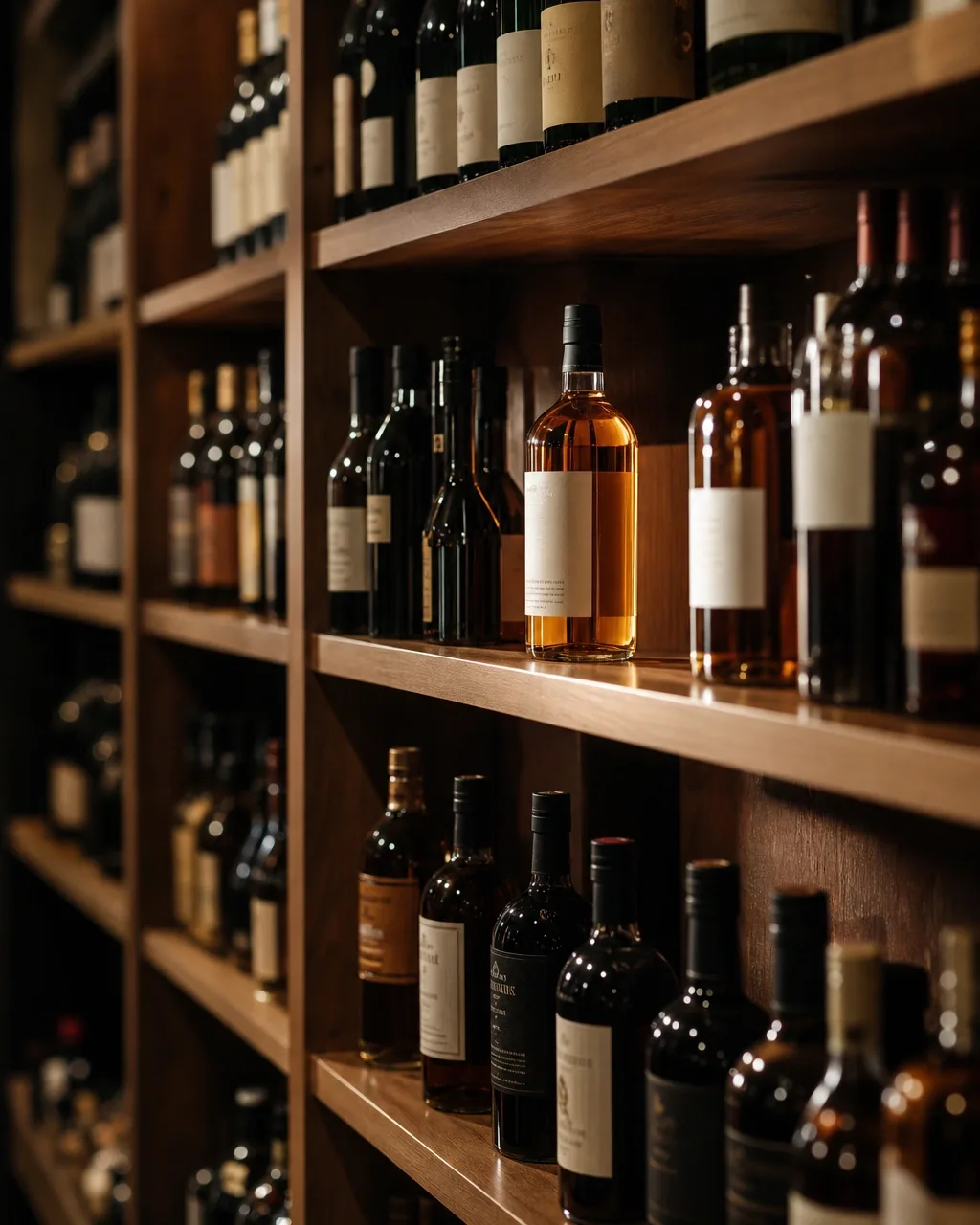
The bottle customers walk past. Photograph the shelf, point at one thing, say why. Inventory you already own, turned into a post.
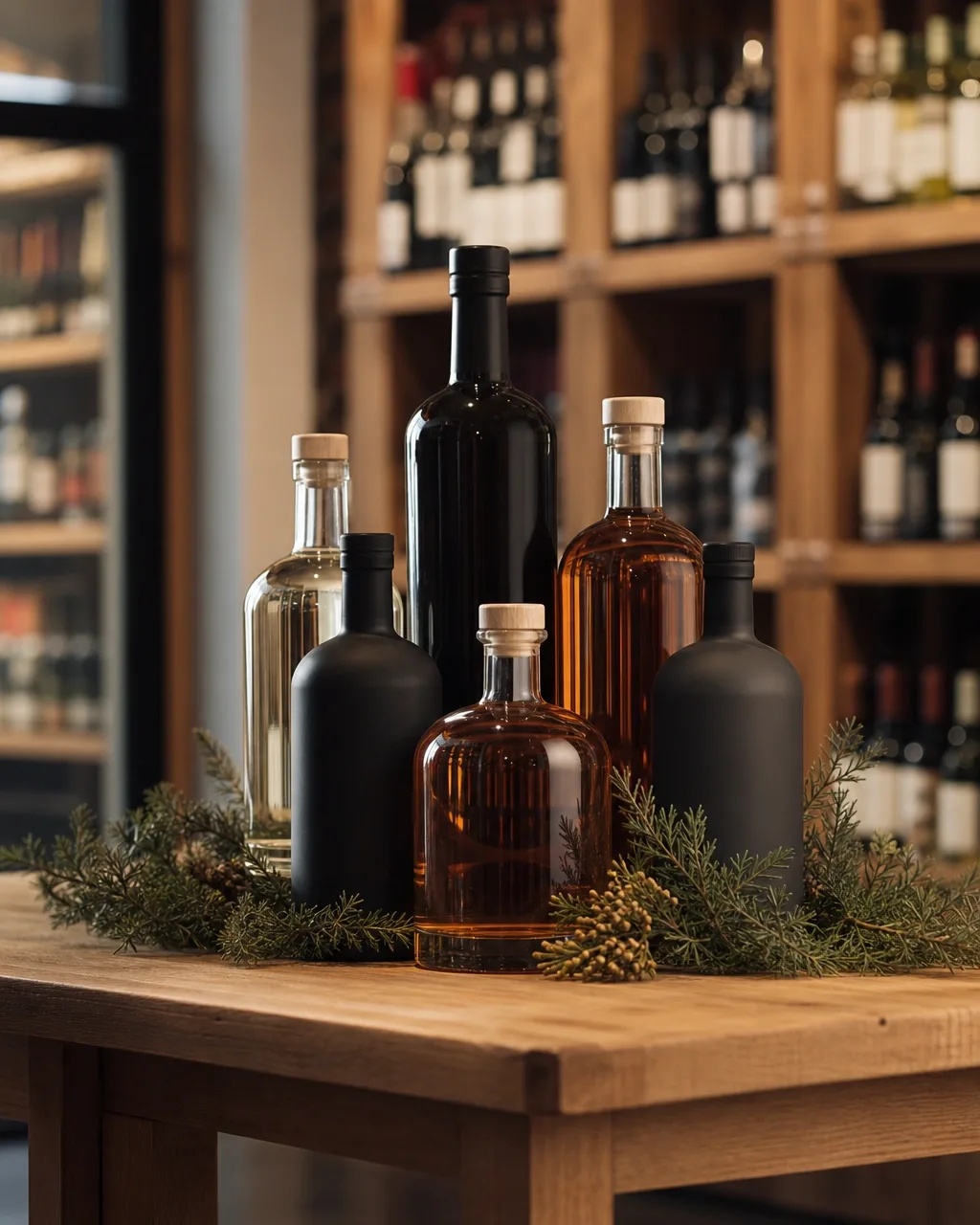
A delivery arriving, a display going up, the dog. It makes the account feel like a place on a street rather than a catalogue.
Almost every guide tells a shop to post daily, and almost every shop that tries it posts for nine days and then stops for a month. The account that goes quiet has taught its followers not to expect anything.
A rhythm you can keep at the end of a shift is worth more than a schedule that assumes a good week.
Four posts, on the same four days, is a pattern people learn. It is also small enough that a delivery running late does not break it. Start there; a shop that wants to post more can, and a shop that cannot has still kept its promise.
The specific days matter far less than their being the same days. This is one shape that works — the point is that it repeats.
| Day | What goes out | Where it comes from |
|---|---|---|
| Monday | New arrival | Whatever came off the pallet |
| Wednesday | One thing worth knowing | A question a customer asked |
| Friday | The weekend pick | What you would take home |
| Saturday | The shop itself | A shelf, a display, a delivery |
Four fixed days is the floor, not the ceiling. Two or three times a month something happens that is worth changing the plan for — and reacting is worth more than anything you scheduled a fortnight ago, because everybody scrolling can see it happening too.
The forecast is the most useful thing on a shop’s calendar, and almost nobody uses it.
Eighty-five degrees on a Saturday is a different shop from fifty-five degrees on a Saturday. So is a washed-out Friday. So is the first warm day after a fortnight of cold — that one empties a shelf in March and means nothing at all in July.
None of it needs a plan. It needs somebody to look on the Thursday and change what Saturday was going to be.
Eighty-five and above, twenty-five and below, sixty percent rain on a Friday or a weekend day. Three readings, and each one changes what people walk in for.
Seven days aheadWorth more than any absolute number. Seventy-one degrees after a week that never got above sixty-eight is not the same day as seventy-one in July.
The day itselfPeople buy before a night out, not after. A show with doors at eight is a Friday afternoon post and a wasted Friday evening one.
Where there is anything onNine days since the last post is a fact about the shop, and it is the only one on this list you can check without looking anywhere else.
Any weekThis is the part most shops have never been shown. A single product is not one post — it is eight, because there are eight different things worth saying about it and each answers a different question.
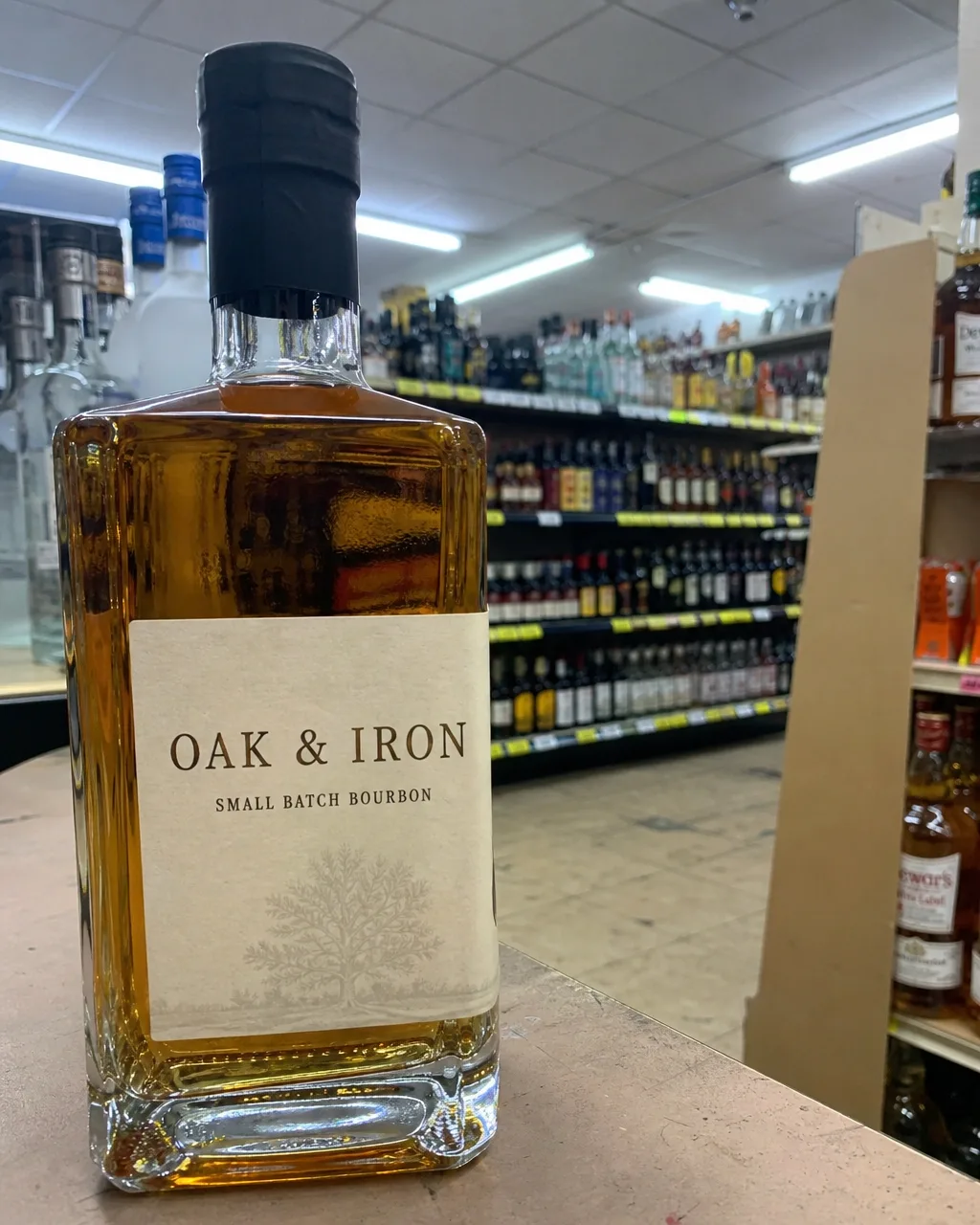 The photograph
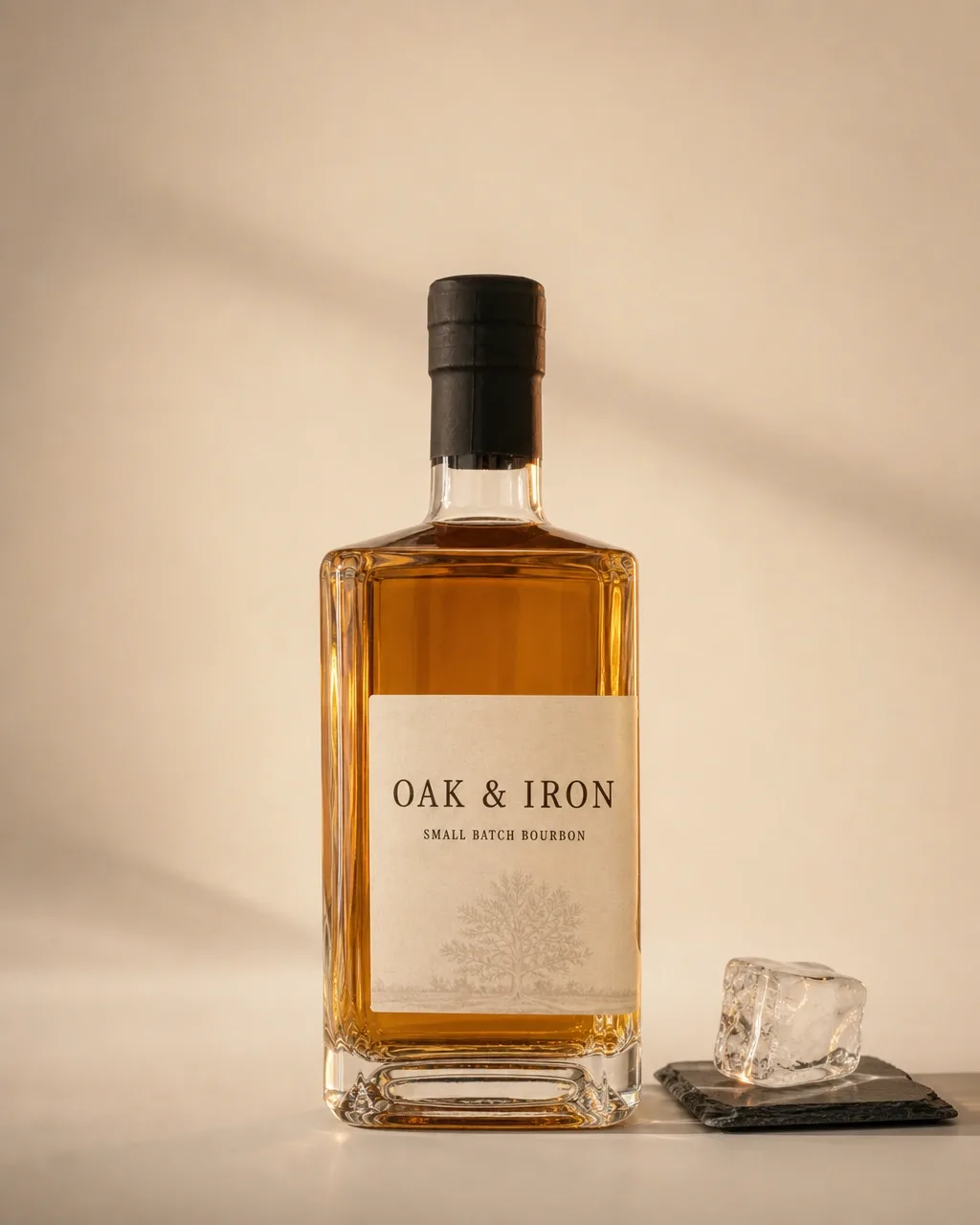
Every one of the eight below is this photograph. Same bottle, same label, same afternoon.
Not eight products and not eight photo shoots — one snapshot taken standing in an aisle, and eight different things worth saying about it. That is the whole trick, and it is the reason a shop that stocks four hundred products is never actually short of something to post.
oakandironliquor Out of the box this morning. Small batch, and there were only six of them on the truck.
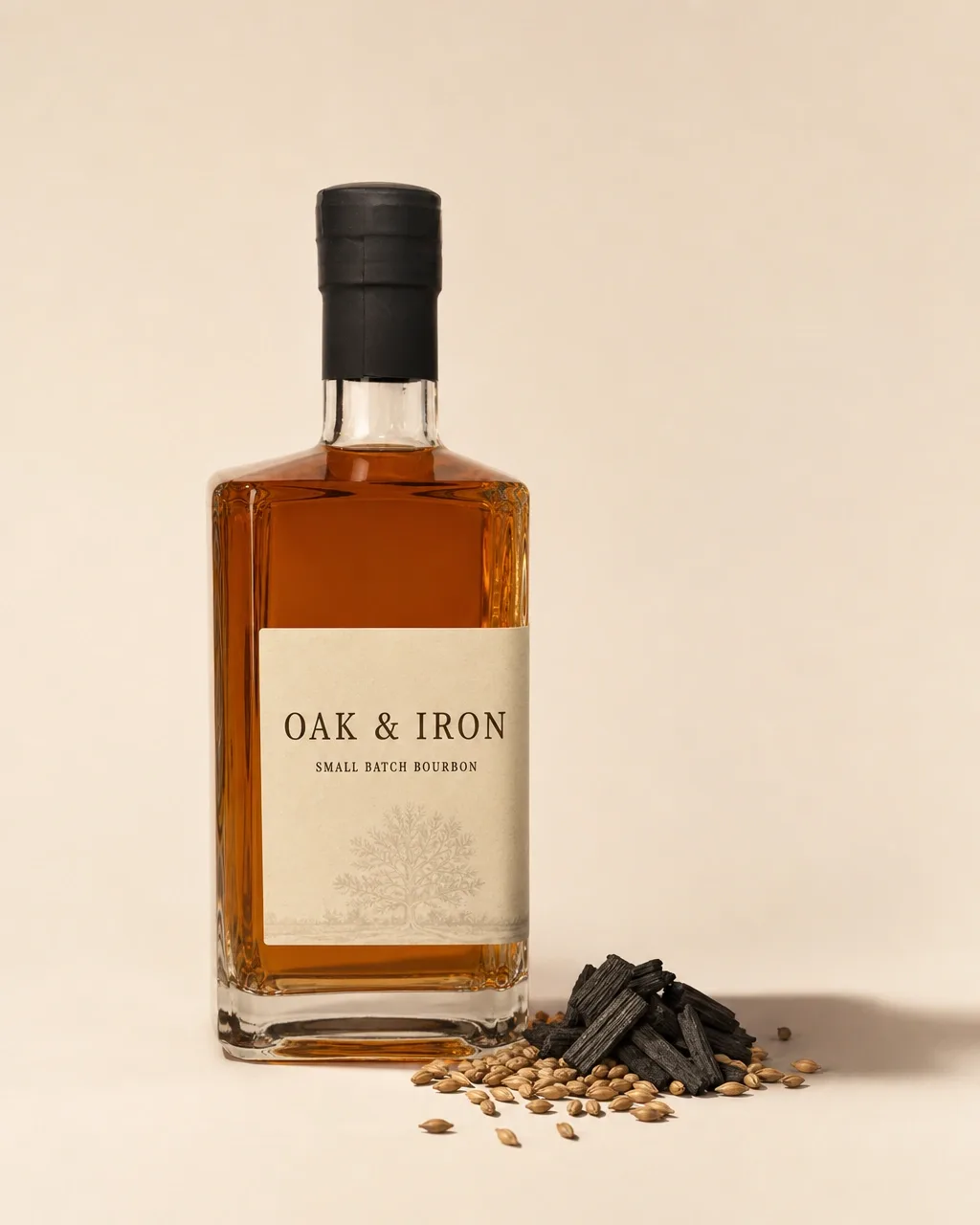
oakandironliquor Why it tastes like that: charred oak, and a mash bill with more barley in it than most.
oakandironliquor Dan's pick this week. He has talked four people into it since Friday and nobody has come back unhappy.
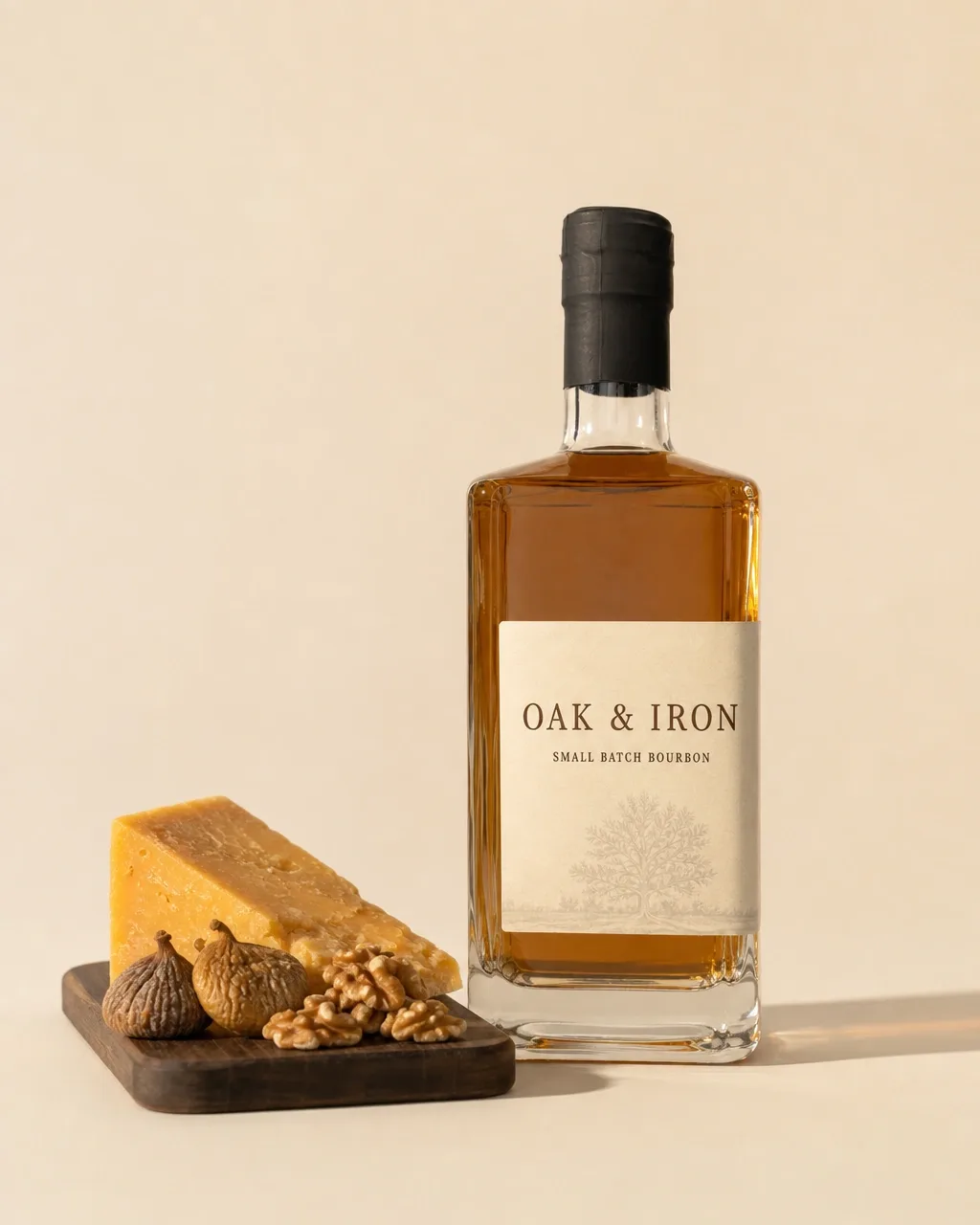
oakandironliquor Sharp cheddar, a couple of figs. It sounds odd and it works.
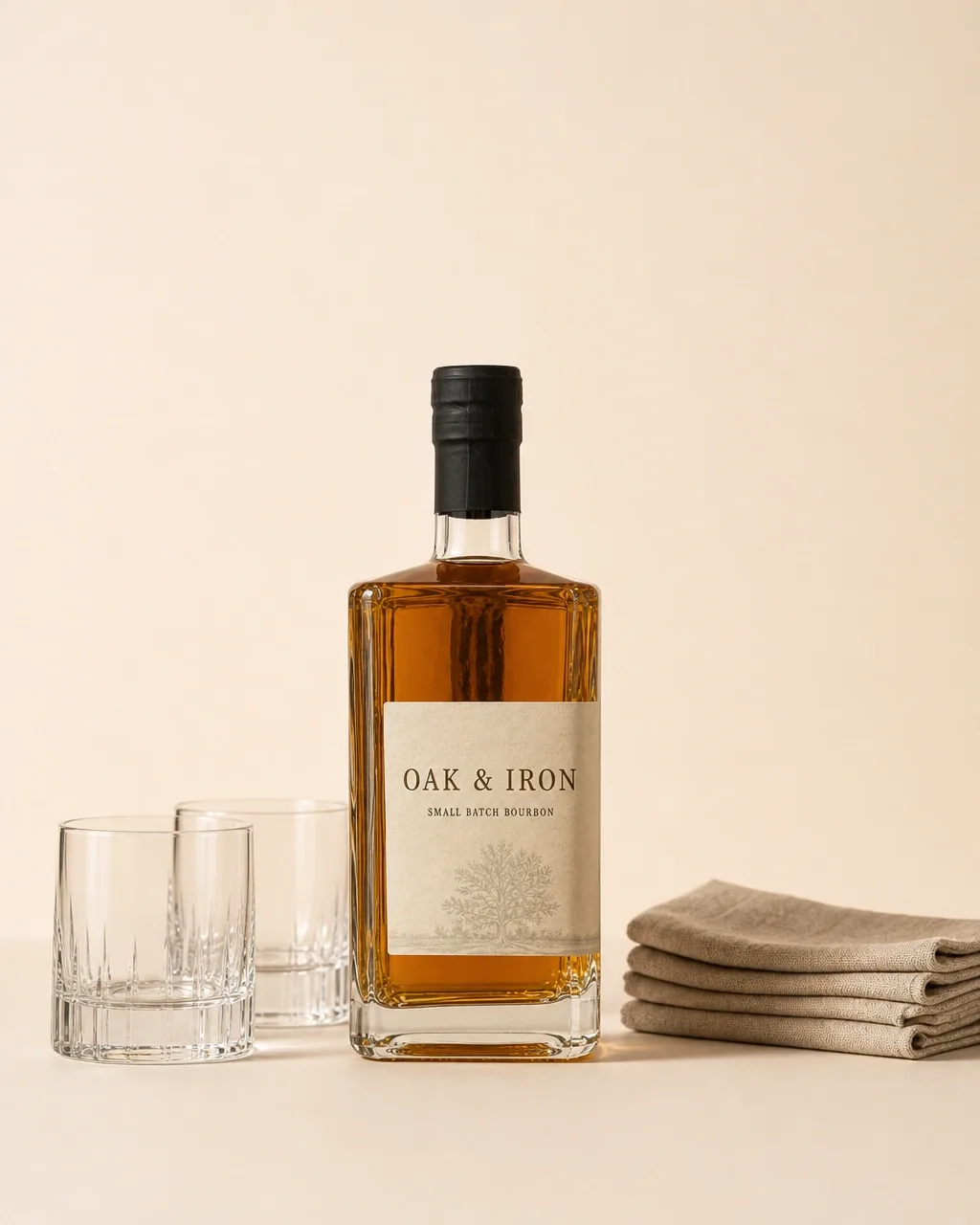
oakandironliquor If you are having people over tomorrow, this is the one to put out.
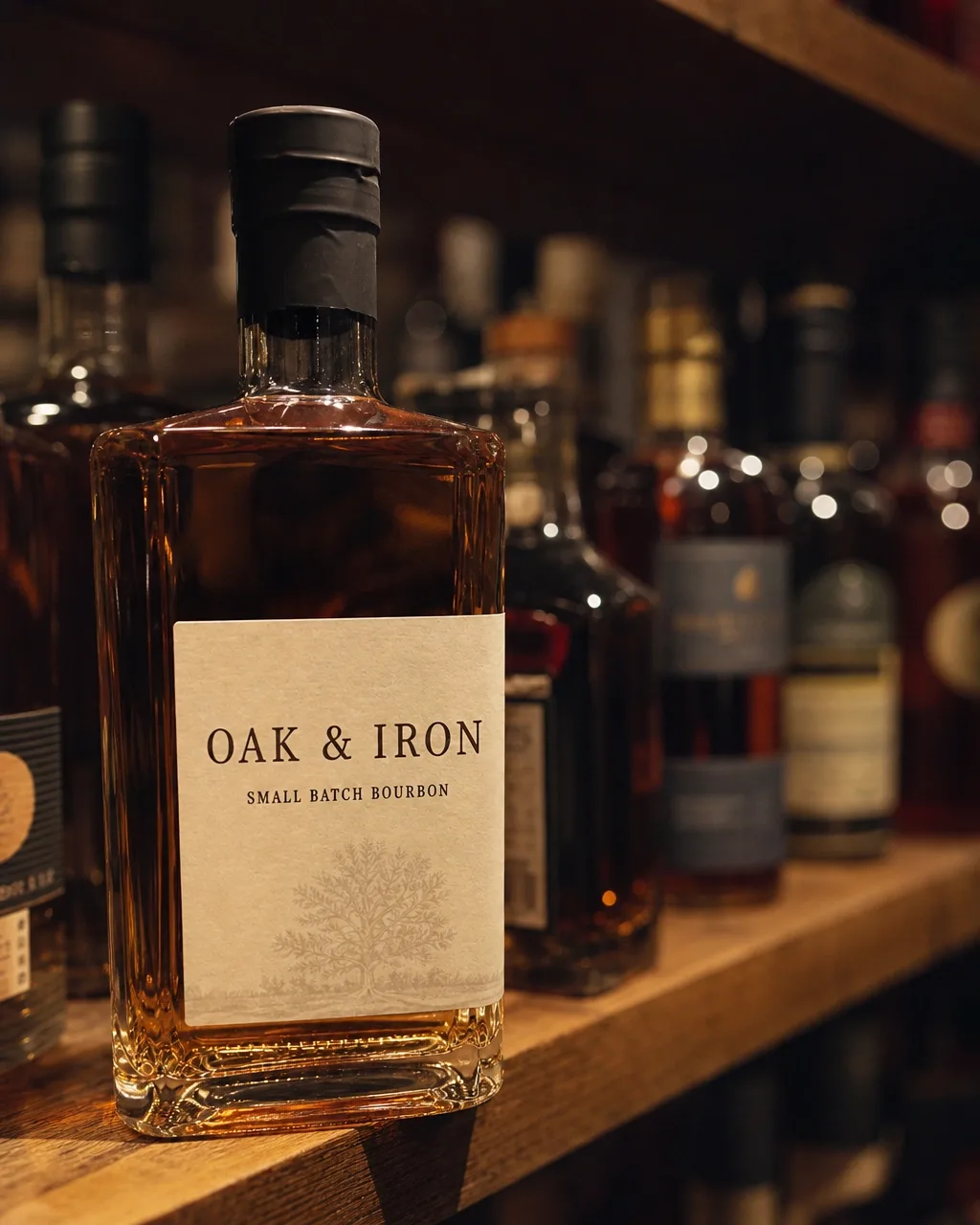
oakandironliquor Second shelf, on the right, behind the gin. Most people walk straight past it.
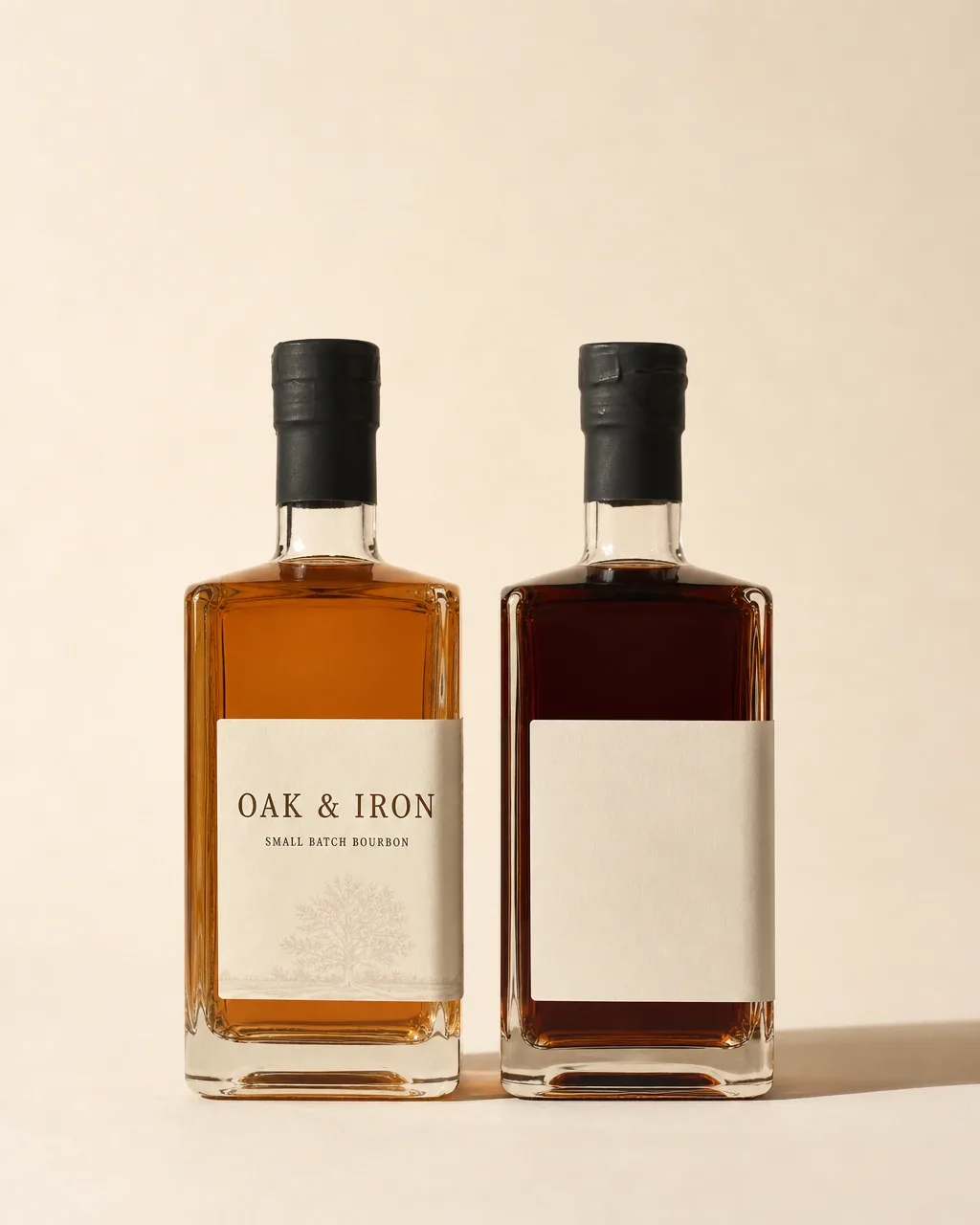
oakandironliquor If the one on the right is your usual, the one on the left is eight dollars less and doing the same job.
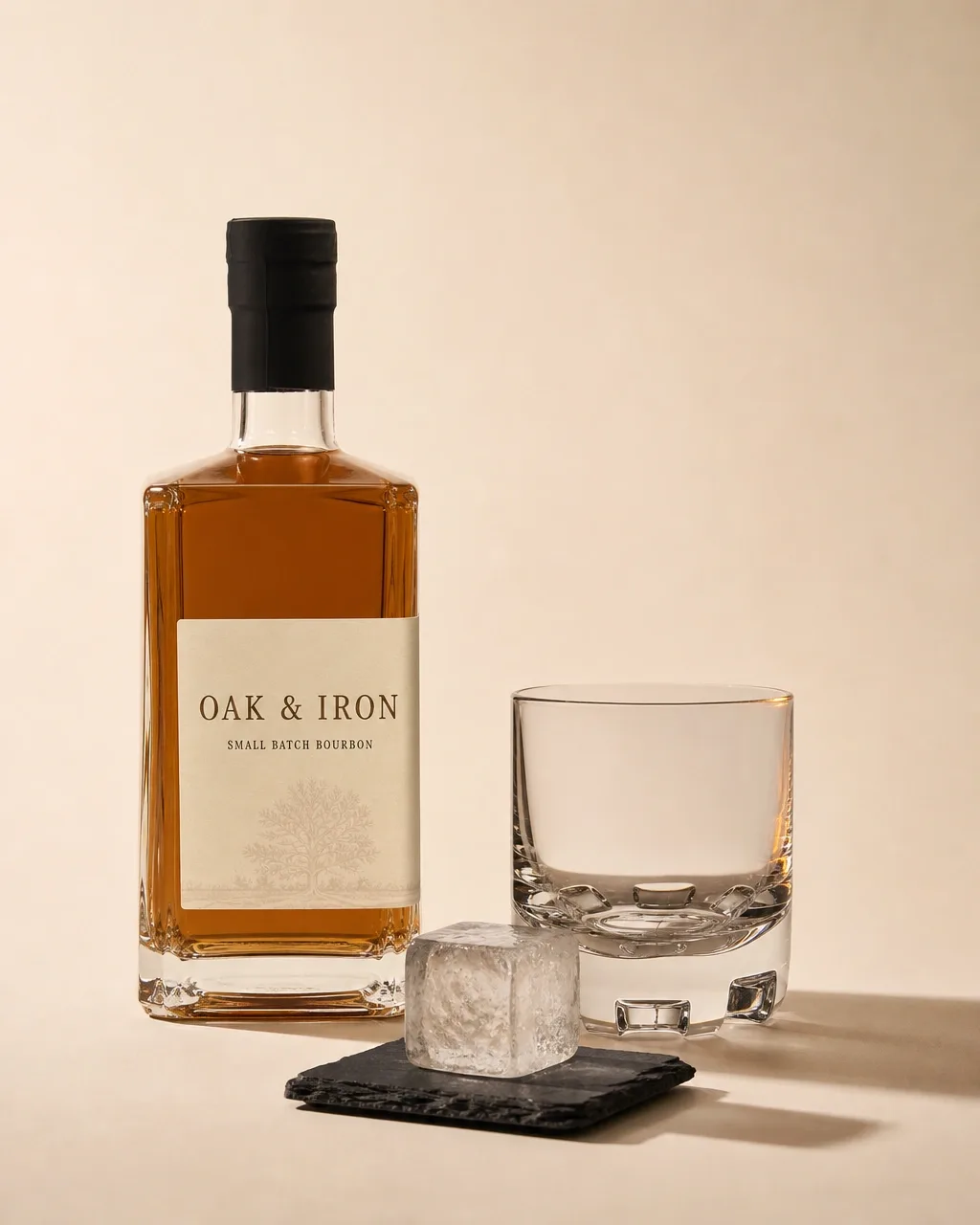
oakandironliquor One big cube, not four small ones. It melts slower, so it waters down less.
You do not need thirty new products to have thirty things to post about. You need better angles on the ones already standing there.
Almost every weak liquor store post fails in the same way: it names the product and stops. Naming a thing is not a reason to look at it.
Instead of
oakandironliquor New bottle available now.
It says a thing exists. Everybody scrolling past already assumed a liquor store had bottles in it.
Write
oakandironliquor Looking for something richer than your usual bourbon? This one landed on Tuesday and it is doing exactly that.
#newarrivals #bourbon #smallbatch
A person (somebody who drinks bourbon), a context (richer than the usual), and a reason it is worth knowing today (it is new, and it is here).
Eleven bottles in a row with the name as the caption. It is a catalogue, and nobody follows a catalogue.
If every post is a number in a red starburst, the account has taught people to wait for a sale.
The account goes quiet for three weeks, then shouts. The quiet is what people remember.
A studio shot of a bottle anybody can buy anywhere says nothing about your shop. Your own shelf does.
You are not the brand. You are the person who knows which of their bottles is worth the money.
Four fonts, a gradient and three badges. A shelf talker has one job and does it with two lines of type.
Whatever you use to do it, the loop is the same four steps — and only one of them genuinely needs you.
One product. Whatever came in this week, or whatever is not moving.
Two minutesA photograph and the angle. Both can be done standing at the counter.
Ten minutesRead it back. This is the step nobody can do for you, and the only one that has to be a person.
One minutePut it on a day. The point is not the day — it is that the decision is made and gone.
Nothing to rememberWhat should decide the week: the forecast, thirty-nine dates worth planning for, what is on nearby, and the shop's own silence.
Ideas built from what is already in the shop — new arrivals, the shelf itself, the weekend, and one bottle stretched across seven days.
What Meta's policies actually require, what age-gating is and is not, and the checklist to run before you publish.
Six honest ways to run a liquor store's Instagram — do it yourself, Canva and a scheduler, a chatbot, a freelancer, an agency, or this.
14 days free, 40 credits, nothing to install. Photograph the bottle nearest the till and see what comes back.
$49 a month, one plan · 14 days free first, a card when you make your first post and nothing taken until day 14 · one Instagram account per store